The quintessential image of Cape Cod is often painted with the vibrant, unmistakable hues of Hydrangeas. These magnificent shrubs are more than just beautiful; they are a symbol of the region’s unique coastal charm. If you’re looking to cultivate this iconic beauty in your own Newgrass garden, understanding the different types that thrive in our specific climate is the first step to success.
This tutorial will guide you through the most common and successful hydrangea varieties found on Cape Cod, detailing their characteristics and what makes them a perfect fit for your landscape.
1. The Icon: Bigleaf Hydrangea (Hydrangea macrophylla)
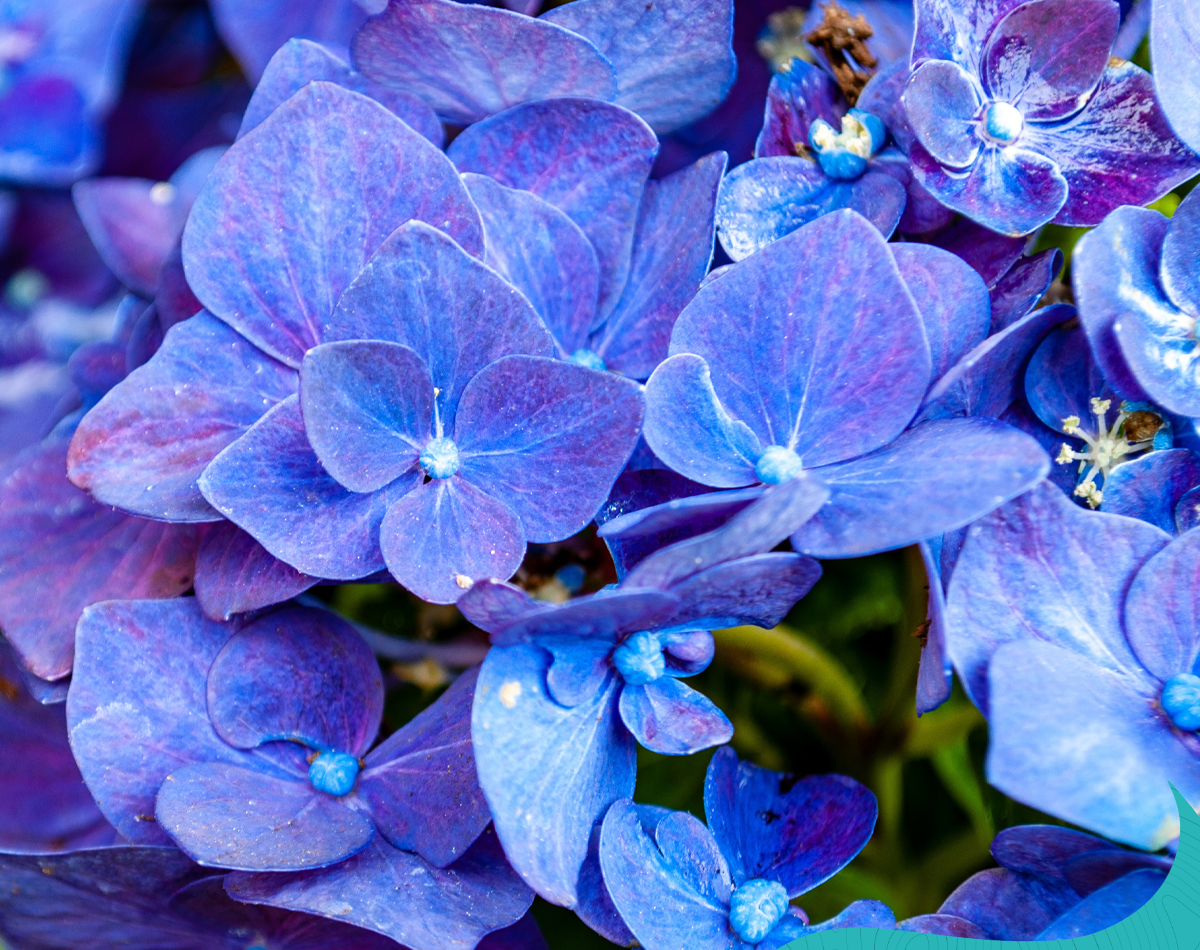
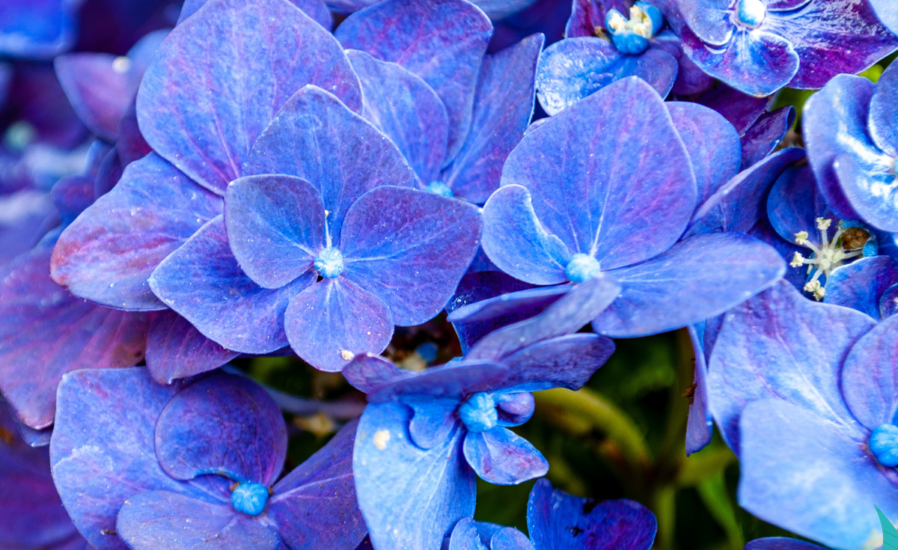
The Bigleaf Hydrangea is the star of Cape Cod, instantly recognizable by its large, globe-shaped flower clusters (Mopheads) or its flatter, more delicate blooms (Lacecaps). The magic of the Bigleaf is its color-changing ability, which is directly tied to the naturally acidic soil of the Cape.
| Characteristic | Detail |
|---|---|
| Common Name | Mophead or Lacecap Hydrangea |
| Cape Cod Color | Typically vibrant blue due to acidic soil (pH < 5.5) |
| Bloom Type | Blooms on “old wood” (buds set the previous year) |
| Coastal Tip | Requires winter protection (burlap or mulch) to protect the sensitive flower buds from harsh Cape Cod winters. |
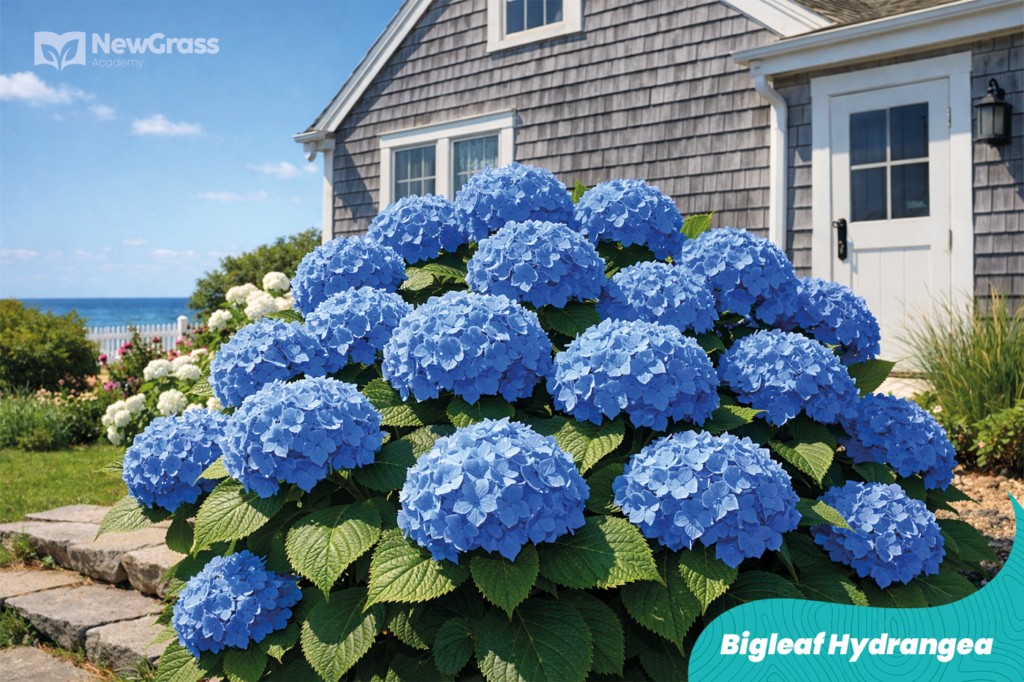
A vibrant blue mophead Bigleaf Hydrangea (Hydrangea macrophylla) in full bloom, set against the backdrop of a classic weathered gray shingle Cape Cod style house.
Pro Tip: Look for reblooming varieties like ‘Endless Summer’ or ‘Blushing Bride’. These cultivars bloom on both old and new wood, giving you a much better chance of a spectacular display even after a tough winter .
2. The Hardy Workhorse: Panicle Hydrangea (Hydrangea paniculata)
If you’re seeking a hydrangea that is virtually indestructible and offers a long season of interest, the Panicle Hydrangea is your answer. Unlike the Bigleaf, this variety is incredibly cold-hardy and blooms reliably every year, making it a favorite for gardeners who want less fuss.
| Characteristic | Detail |
|---|---|
| Common Name | Panicle Hydrangea or PeeGee Hydrangea |
| Flower Shape | Distinctive cone-shaped flowers that often start white and fade to pink or red |
| Bloom Type | Blooms on “new wood” (current year’s growth) |
| Coastal Tip | Excellent for sunny spots and can tolerate more wind than other varieties. Can be pruned into a beautiful tree form. |
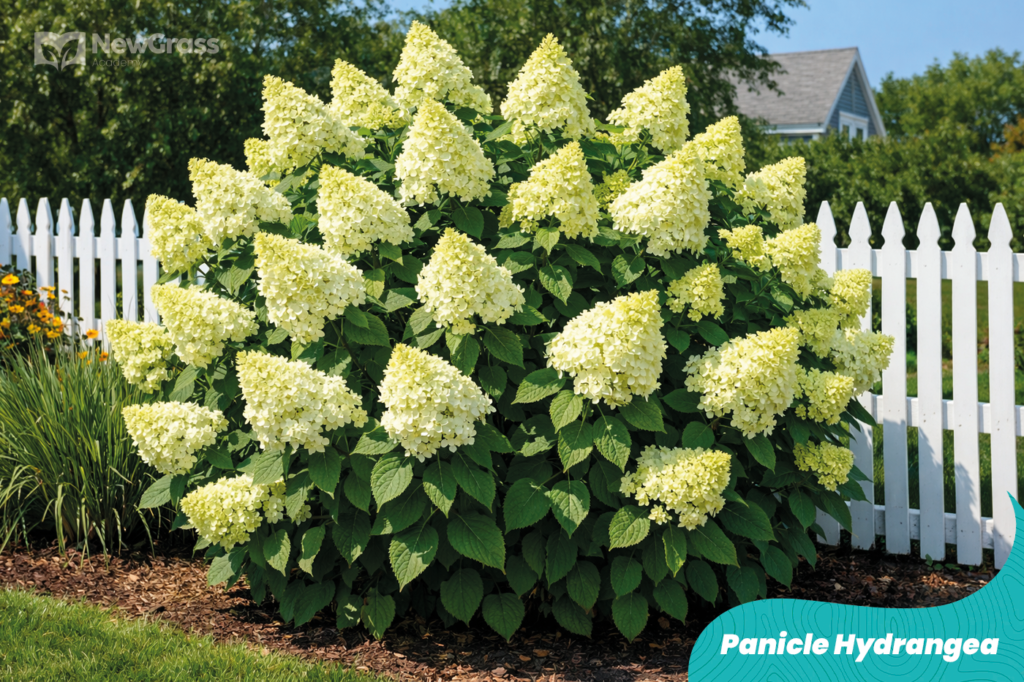
A lush Panicle Hydrangea (Hydrangea paniculata) ‘Limelight’ with its distinctive cone-shaped, greenish-white flowers. The plant is tall and robust, thriving in a sunny garden bed with a backdrop of a white picket fence typical of Cape Cod.
3. The Native Beauty: Smooth Hydrangea (Hydrangea arborescens)
The Smooth Hydrangea, often known by its popular cultivar ‘Annabelle’, is a stunning native shrub that produces massive, dome-shaped clusters of white flowers. It is another reliable bloomer on Cape Cod, as it is also a “new wood” bloomer.
| Characteristic | Detail |
|---|---|
| Common Name | Smooth Hydrangea or Wild Hydrangea |
| Flower Color | Typically pure white |
| Bloom Type | Blooms on “new wood” (current year’s growth) |
| Coastal Tip | Thrives in partial shade and is a great choice for naturalizing in a woodland or less formal garden setting. |
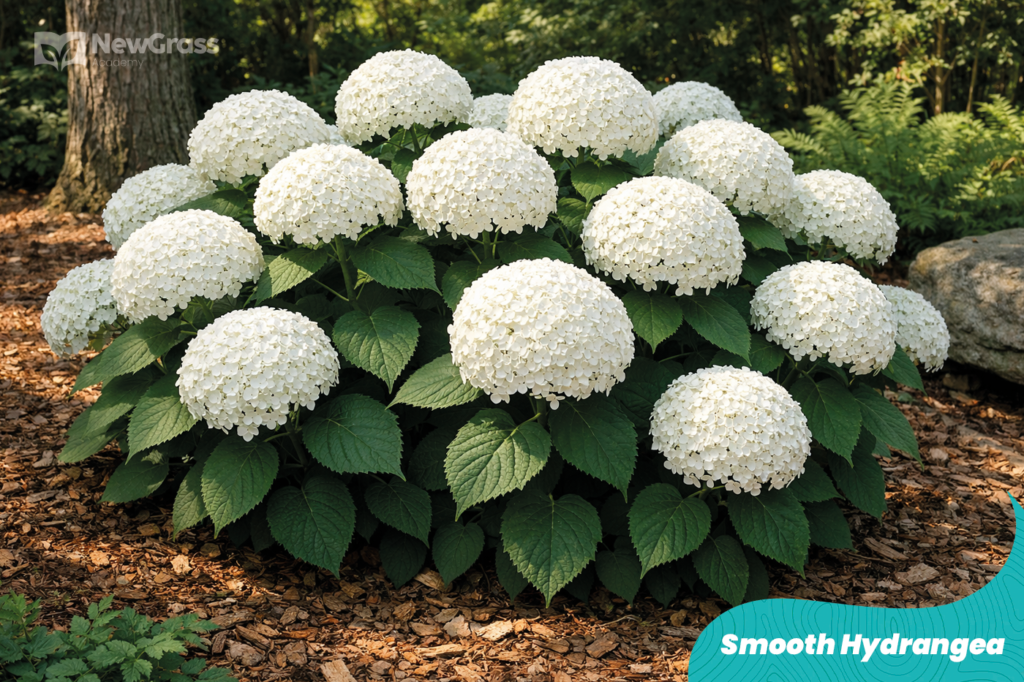
A beautiful Smooth Hydrangea (Hydrangea arborescens) ‘Annabelle’ with massive, pure white, globe-shaped flowers. The plant is in a partially shaded, well-mulched garden area, with a natural, rustic feel.
4. The Unique Texture: Oakleaf Hydrangea (Hydrangea quercifolia)
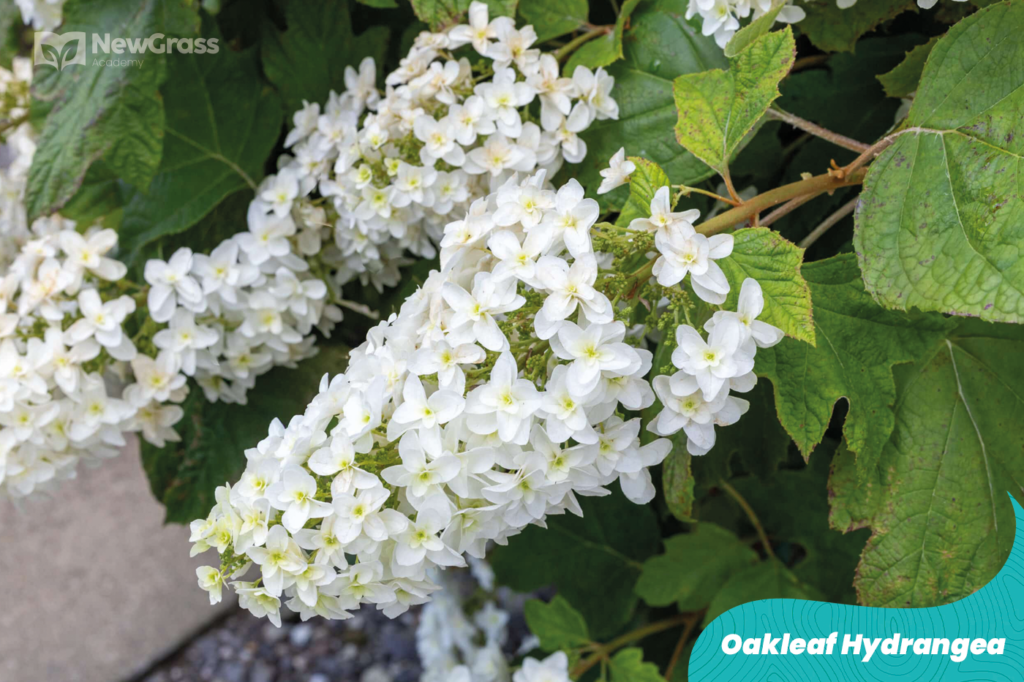
While less common than the Bigleaf, the Oakleaf Hydrangea offers year-round interest that sets it apart. Its leaves resemble those of an oak tree, turning a rich, deep red and purple in the fall, and its peeling bark provides winter texture.
| Characteristic | Detail |
|---|---|
| Common Name | Oakleaf Hydrangea |
| Flower Shape | Elongated, conical white flowers |
| Bloom Type | Blooms on “old wood” |
| Coastal Tip | Best planted in a spot where its stunning fall foliage can be appreciated. Requires minimal pruning. |
What’s Next for Your Cape Cod Hydrangeas?
Now that you know which hydrangeas thrive on the Cape, the next critical step is learning how to care for them to ensure a spectacular bloom every season.
The three most popular types—Bigleaf (H. macrophylla), Panicle (H. paniculata), and Smooth (H. arborescens)—each have a unique pruning schedule. Pruning them incorrectly is the number one reason for a lack of flowers!
Stay tuned for our next post, where we will dive into a step-by-step tutorial on:
•When to Prune: The critical timing for each of the top three types.
•How to Prune: The specific techniques to maximize blooms.
•The Benefits: Why a well-pruned hydrangea is a healthier, more beautiful plant.
Last modified: fevereiro 1, 2026